English
English
Español
Português
русский
français
日本語
Deutsch
Tiếng Việt
Italiano
Nederlands
ไทย
Polski
한국어
Svenska
magyar
Malay
বাংলা
Dansk
Suomi
हिन्दी
Pilipino
Türk
Gaeilge
عربى
Indonesia
norsk
اردو
čeština
Ελληνικά
Українська
Javanese
فارسی
தமிழ்
తెలుగు
नेपाली
Burmese
български
ລາວ
Latine
Қазақ
Euskal
Azərbaycan
slovenský
Македонски
Lietuvos
Eesti Keel
Română
Slovenski
मराठी
Српски
Esperanto
Afrikaans
Català
עִברִית
Cymraeg
Galego
Latvietis
icelandic
יידיש
Беларус
Hrvatski
Kreyòl ayisyen
Shqiptar
Malti
lugha ya Kiswahili
አማርኛ
Bosanski
Frysk
ជនជាតិខ្មែរ
ქართული
ગુજરાતી
Hausa
Кыргыз тили
ಕನ್ನಡ
Corsa
Kurdî
മലയാളം
Maori
Монгол хэл
Hmong
IsiXhosa
Zulu
Punjabi
پښتو
Chichewa
Samoa
Sesotho
සිංහල
Gàidhlig
Cebuano
Somali
Точик
O'zbek
Hawaiian
سنڌي
Shinra
հայերեն
Igbo
Sundanese
Lëtzebuergesch
Malagasy
Yoruba
Javanese
Banbala
Pokjoper
Divih
Philippine
Gwadani
Elokano

Global petrochemical and refining facilities are continuously upgrading pipeline thermal management infrastructure. Steam‑based tracing solutions face prominent drawbacks including high energy loss, complex pipeline layout and difficult maintenance, pushing more engineering contractors to select electric self‑regulating heat‑tracing systems for freeze‑protection and medium temperature maintenance tasks.
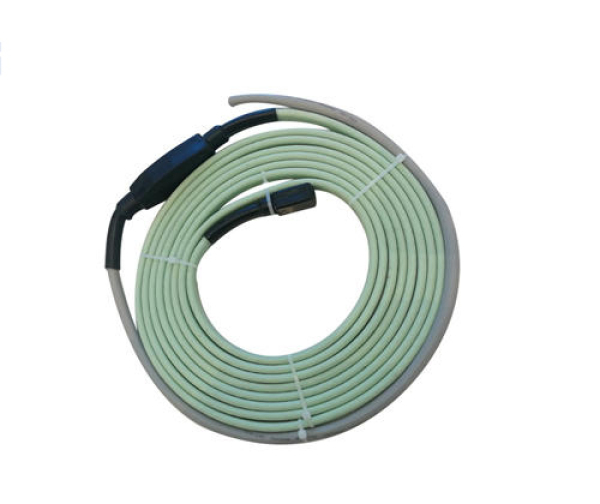
Self‑regulating heating cables rely on PTC conductive‑polymer core materials to dynamically adjust heat output according to real‑time surface temperature. Models such as DBR‑15‑220, DBR‑25‑220, GBR‑50‑220 and ZBR‑40‑220 support overlapping installation at pipe elbows, valves and flanges without local over‑heating hazards. Medium‑temperature self‑limiting products are widely adopted for conventional crude‑oil pipelines, chemical storage auxiliary loops and fire‑protection pipeline anti‑freezing in tunnel environments.
These cable products adopt corrosion‑resistant outer sheath materials to resist erosion from acid, alkali and organic volatile substances in chemical workshops. For outdoor low‑temperature scenarios, low‑temperature heating tapes for road and driveway snow‑melting also inherit the self‑adjustment characteristic, applicable to parking‑lot ground snow‑removal projects. Compared with fixed‑power heating solutions, self‑regulating heat‑tracing cuts unnecessary power waste during temperature rise periods, helping industrial sites meet international energy‑saving and carbon‑reduction targets.