English
English
Español
Português
русский
français
日本語
Deutsch
Tiếng Việt
Italiano
Nederlands
ไทย
Polski
한국어
Svenska
magyar
Malay
বাংলা
Dansk
Suomi
हिन्दी
Pilipino
Türk
Gaeilge
عربى
Indonesia
norsk
اردو
čeština
Ελληνικά
Українська
Javanese
فارسی
தமிழ்
తెలుగు
नेपाली
Burmese
български
ລາວ
Latine
Қазақ
Euskal
Azərbaycan
slovenský
Македонски
Lietuvos
Eesti Keel
Română
Slovenski
मराठी
Српски
Esperanto
Afrikaans
Català
עִברִית
Cymraeg
Galego
Latvietis
icelandic
יידיש
Беларус
Hrvatski
Kreyòl ayisyen
Shqiptar
Malti
lugha ya Kiswahili
አማርኛ
Bosanski
Frysk
ជនជាតិខ្មែរ
ქართული
ગુજરાતી
Hausa
Кыргыз тили
ಕನ್ನಡ
Corsa
Kurdî
മലയാളം
Maori
Монгол хэл
Hmong
IsiXhosa
Zulu
Punjabi
پښتو
Chichewa
Samoa
Sesotho
සිංහල
Gàidhlig
Cebuano
Somali
Точик
O'zbek
Hawaiian
سنڌي
Shinra
հայերեն
Igbo
Sundanese
Lëtzebuergesch
Malagasy
Yoruba
Javanese
Banbala
Pokjoper
Divih
Philippine
Gwadani
Elokano

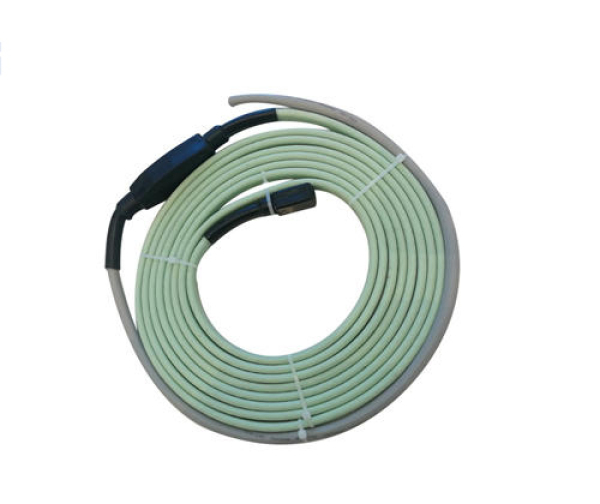
Electric heat‑tracing manufacturers keep expanding application boundaries for heating‑cable technologies beyond traditional oil‑and‑chemical process pipelines. Low‑voltage 36V medium‑temperature heating cables are developed for garage floor snow‑melting projects, while low‑temperature heating belts serve outdoor lane and road surface de‑icing work. Special‑purpose heating cables are engineered for tunnel fire‑protection pipeline anti‑freezing and compressor silicone‑rubber jacket constant‑power heat‑tracing. Different from high‑risk petrochemical hazardous‑zone grades, these infrastructure‑oriented products focus on freeze prevention and snow‑melting performance under open‑air environmental conditions. Even so, they inherit mature material technologies such as corrosion‑resistant outer jackets and stable power output designs proven in chemical‑industry deployments. The co‑existence of petrochemical‑grade hazardous‑zone products and infrastructure‑focused heating solutions illustrates how modern heat‑tracing manufacturers build modular technology platforms. Core heating element designs, accessory interfaces and quality‑control standards can be adapted for multiple vertical industries including chemical refining, public infrastructure, environmental monitoring and energy‑sector auxiliary facilities. This product‑development logic enables suppliers to respond rapidly to varied global project tender requirements, whether for large petrochemical complex thermal‑control bidding or municipal infrastructure anti‑freeze engineering orders.