English
English
Español
Português
русский
français
日本語
Deutsch
Tiếng Việt
Italiano
Nederlands
ไทย
Polski
한국어
Svenska
magyar
Malay
বাংলা
Dansk
Suomi
हिन्दी
Pilipino
Türk
Gaeilge
عربى
Indonesia
norsk
اردو
čeština
Ελληνικά
Українська
Javanese
فارسی
தமிழ்
తెలుగు
नेपाली
Burmese
български
ລາວ
Latine
Қазақ
Euskal
Azərbaycan
slovenský
Македонски
Lietuvos
Eesti Keel
Română
Slovenski
मराठी
Српски
Esperanto
Afrikaans
Català
עִברִית
Cymraeg
Galego
Latvietis
icelandic
יידיש
Беларус
Hrvatski
Kreyòl ayisyen
Shqiptar
Malti
lugha ya Kiswahili
አማርኛ
Bosanski
Frysk
ជនជាតិខ្មែរ
ქართული
ગુજરાતી
Hausa
Кыргыз тили
ಕನ್ನಡ
Corsa
Kurdî
മലയാളം
Maori
Монгол хэл
Hmong
IsiXhosa
Zulu
Punjabi
پښتو
Chichewa
Samoa
Sesotho
සිංහල
Gàidhlig
Cebuano
Somali
Точик
O'zbek
Hawaiian
سنڌي
Shinra
հայերեն
Igbo
Sundanese
Lëtzebuergesch
Malagasy
Yoruba
Javanese
Banbala
Pokjoper
Divih
Philippine
Gwadani
Elokano

For chemical plants, offshore auxiliary pipelines and underground‑buried material‑transport lines in worldwide process industries, heat‑tracing cables must withstand combined threats including chemical vapor corrosion, ground moisture invasion, mechanical extrusion during burial and sharp temperature fluctuation. Ordinary single‑jacket heating cables tend to suffer jacket cracking, shielding damage and insulation degradation under these complex conditions, leading to unplanned shutdown and frequent replacement work.
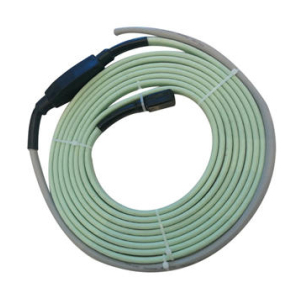
HGC‑1 and HGC‑3 series‑connected heating cables implement graded multi‑layer protection design. The inner insulation layers isolate the high‑resistance heating core from external interference. The woven metal shielding layer provides ground‑fault protection, mechanical shock resistance and electromagnetic shielding performance. For extra‑harsh scenarios with heavy chemical exposure or direct underground burial, users may select the optional fluoroplastic outer sleeve covering over braided shielding, which strengthens resistance to solvent erosion, acid‑alkali attack and underground abrasive wear.
The cable’s wide temperature operating window allows installation at ambient temperature as low as ‑50℃, adapting cold‑climate construction requirements in high‑latitude regions. The cold‑end crimp‑and‑shrink‑sleeve connection method standardizes field terminal handling, helping installers avoid insulation damage at power‑input sections, lowering on‑site human‑error risks.
These structural advantages make HGC‑1 and HGC‑3 suitable for buried chemical pipelines, outdoor long‑distance process lines and corrosive‑site heat‑tracing assignments. Global EPC contractors and plant owners can reduce lifecycle maintenance frequency and enhance the long‑term stability of pipeline freeze‑protection and temperature‑holding loops.

HGC‑1 / HGC‑3 Series Series‑connected Constant‑power Heating Cable Address Long‑distance Heat‑tracing Bottlenecks for Global Oil & Gas Pipeline Projects
HGC Series Series‑connected Heating Cable Expands High‑voltage Heat‑tracing Options for Global Large‑scale Process Industrial Complexes