English
English
Español
Português
русский
français
日本語
Deutsch
Tiếng Việt
Italiano
Nederlands
ไทย
Polski
한국어
Svenska
magyar
Malay
বাংলা
Dansk
Suomi
हिन्दी
Pilipino
Türk
Gaeilge
عربى
Indonesia
norsk
اردو
čeština
Ελληνικά
Українська
Javanese
فارسی
தமிழ்
తెలుగు
नेपाली
Burmese
български
ລາວ
Latine
Қазақ
Euskal
Azərbaycan
slovenský
Македонски
Lietuvos
Eesti Keel
Română
Slovenski
मराठी
Српски
Esperanto
Afrikaans
Català
עִברִית
Cymraeg
Galego
Latvietis
icelandic
יידיש
Беларус
Hrvatski
Kreyòl ayisyen
Shqiptar
Malti
lugha ya Kiswahili
አማርኛ
Bosanski
Frysk
ជនជាតិខ្មែរ
ქართული
ગુજરાતી
Hausa
Кыргыз тили
ಕನ್ನಡ
Corsa
Kurdî
മലയാളം
Maori
Монгол хэл
Hmong
IsiXhosa
Zulu
Punjabi
پښتو
Chichewa
Samoa
Sesotho
සිංහල
Gàidhlig
Cebuano
Somali
Точик
O'zbek
Hawaiian
سنڌي
Shinra
հայերեն
Igbo
Sundanese
Lëtzebuergesch
Malagasy
Yoruba
Javanese
Banbala
Pokjoper
Divih
Philippine
Gwadani
Elokano

For the electric heat tracing system to operate stably over the long term, not only does standardized installation play a crucial role, but daily operation and maintenance management are equally important. Many subsequent issues such as heating anomalies, electrical leakage trips, and premature aging are largely attributed to inadequate daily inspections and non-standard maintenance practices. Mastering basic operation and maintenance knowledge can effectively reduce equipment failure rates and extend the lifespan of the heat tracing belt.

Routine inspections are the foundation of operation and maintenance work, and it is recommended to carry them out regularly in conjunction with seasonal changes. There are three core inspection nodes: before startup in autumn and winter, during operation in winter, and after shutdown in spring. The daily inspection mainly focuses on checking the appearance of cables, inspecting whether the outer protective sheaths are cracked, peeled, hardened, aged, etc., and focusing on troubleshooting frequently worn-out locations such as pipe bends, flanges, and valves.
Simultaneously inspect the insulation layer and the external protective structure, observing for any issues such as damage, water infiltration, detachment, or moisture exposure. Once the insulation layer becomes wet and damp, it will significantly reduce the insulation effect, increase the operational load of the heat tracing belt, and over time, it is prone to power attenuation and insufficient heating. If any damaged areas are found, they need to be promptly repaired and sealed to prevent the problem from escalating.
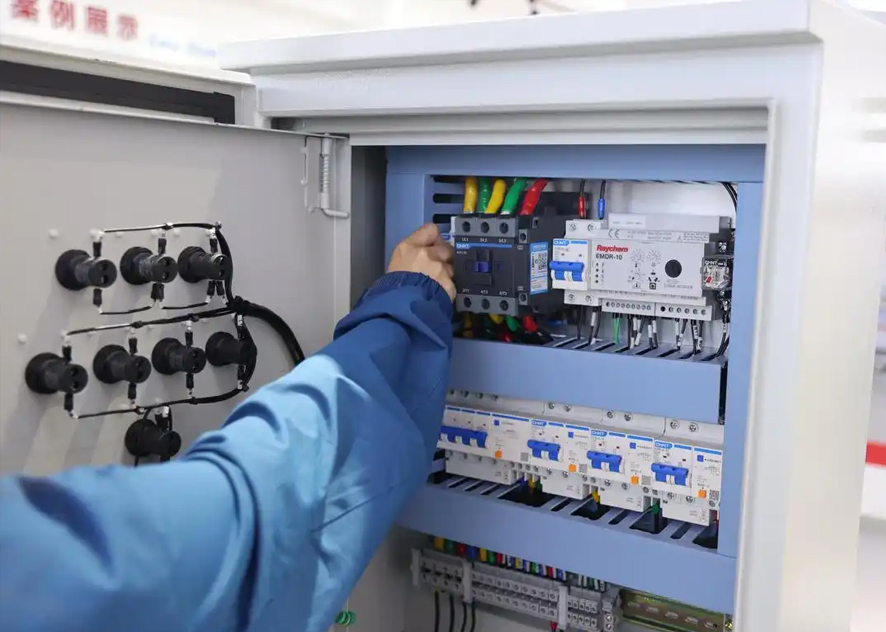
Electrical and circuit inspection is essential. Regularly check the operating status of air switches, leakage protectors, and junction boxes, and observe whether there are any abnormalities such as frequent tripping, heating, and abnormal noise. In explosion-proof areas, focus on inspecting the wiring sealing structure to ensure that the sealing rings and heads are intact, without loosening, water ingress, or dust accumulation, to prevent short circuits and electrical leakage caused by the intrusion of moisture and dust.
Insulation testing is a core means of troubleshooting latent faults. Many devices may appear intact on the surface, but their internal insulation performance has deteriorated, posing safety hazards. During seasonal maintenance, it is necessary to standardize the retesting of cable insulation resistance values. Lines with low or substandard values are likely to have internal damage, which needs to be promptly investigated and replaced to avoid sudden failures during winter operation.
The maintenance of the temperature control system directly affects the energy efficiency and stability of the equipment. Regularly check the temperature control probe for secure positioning, any deviation, detachment, failure, or other issues. Clean the dust and dirt on the probe surface to avoid affecting the temperature measurement accuracy. Verify the temperature control start-stop parameters and fine-tune the settings according to the ambient temperature to ensure timely startup at low temperatures and timely dormancy at high temperatures, reducing unnecessary power consumption.
Seasonal start-stop operation and maintenance have clear operational points. Before the arrival of low temperatures in winter, conduct a power-on test run in advance to troubleshoot heating anomalies and circuit faults, ensuring normal anti-freezing during cold weather. When the temperature rises and no heat tracing is needed, do not let the equipment run idle with power on for a long time. Instead, promptly power off and shut down the equipment to reduce long-term no-load loss and slow down material aging.
Fault prediction and timely rectification can significantly reduce operation and maintenance pressure. During daily operation, if there are frequent trips, uneven heating, local temperature anomalies, etc., do not force the system to operate with defects. It is necessary to promptly power off and inspect the laying status, line load, and insulation values. After identifying and rectifying the problem, re-enable the system to prevent minor faults from escalating into safety issues.
Overall, the operation and maintenance of electric heat tracing bands is not complicated. The core lies in regular inspections, standardized testing, and seasonal maintenance. By conducting appearance checks, electrical tests, temperature control calibrations, and insulation protection, most operational failures can be largely avoided, ensuring that the heat tracing system maintains a safe, energy-efficient, and stable operating state throughout the year.