English
English
Español
Português
русский
français
日本語
Deutsch
Tiếng Việt
Italiano
Nederlands
ไทย
Polski
한국어
Svenska
magyar
Malay
বাংলা
Dansk
Suomi
हिन्दी
Pilipino
Türk
Gaeilge
عربى
Indonesia
norsk
اردو
čeština
Ελληνικά
Українська
Javanese
فارسی
தமிழ்
తెలుగు
नेपाली
Burmese
български
ລາວ
Latine
Қазақ
Euskal
Azərbaycan
slovenský
Македонски
Lietuvos
Eesti Keel
Română
Slovenski
मराठी
Српски
Esperanto
Afrikaans
Català
עִברִית
Cymraeg
Galego
Latvietis
icelandic
יידיש
Беларус
Hrvatski
Kreyòl ayisyen
Shqiptar
Malti
lugha ya Kiswahili
አማርኛ
Bosanski
Frysk
ជនជាតិខ្មែរ
ქართული
ગુજરાતી
Hausa
Кыргыз тили
ಕನ್ನಡ
Corsa
Kurdî
മലയാളം
Maori
Монгол хэл
Hmong
IsiXhosa
Zulu
Punjabi
پښتو
Chichewa
Samoa
Sesotho
සිංහල
Gàidhlig
Cebuano
Somali
Точик
O'zbek
Hawaiian
سنڌي
Shinra
հայերեն
Igbo
Sundanese
Lëtzebuergesch
Malagasy
Yoruba
Javanese
Banbala
Pokjoper
Divih
Philippine
Gwadani
Elokano

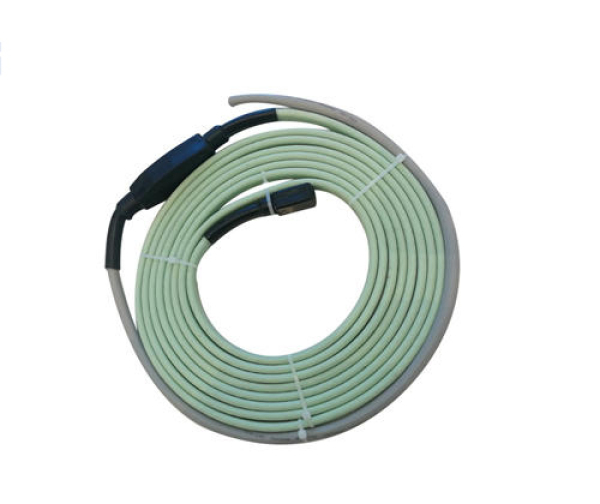
Petrochemical processing facilities demand strict thermal stability for pipelines transporting crude fractions, chemical intermediates and instrument sampling media, making electric heat tracing a mainstream alternative replacing traditional steam tracing in many modern plant upgrades. Self‑regulating heating cables represented by DBR‑15‑220, DBR‑25‑220, GBR‑50‑220 and ZBR‑40‑220 series adjust heat output autonomously following surrounding temperature changes, lowering overall power consumption and avoiding over‑heating risks for general‑purpose pipeline anti‑freeze applications. Such products can be cut‑to‑length on‑site, bringing convenience for complex‑routing piping layout inside refineries and chemical complexes.
For applications that need steady heat density regardless of ambient fluctuation, constant‑power heating solutions deliver dependable performance. Parallel constant‑power tapes, series constant‑power cables and silicone‑coated constant‑power heating tapes for compressors maintain consistent heat per meter, suitable for long‑distance process pipelines that demand precise temperature holding. For ultra‑high‑temperature working conditions beyond polymer‑based heating tapes’ limit, MI mineral‑insulated heating cables deploy metallic mineral insulation structure to withstand extreme temperature and mechanical impact, serving high‑temperature process preservation in heavy‑duty petrochemical units.
All above heating cables for petrochemical deployment must cooperate with explosion‑proof accessories. Explosion‑proof power junction housings, flame‑proof thermostats, intermediate junction boxes and termination end kits secure electrical safety in classified hazardous locations. Combined with PT100 temperature sensors, whole loops realize closed‑loop temperature monitoring, helping plant operators reduce unplanned downtime triggered by pipeline freezing or medium condensation. Global engineering contractors tend to select suppliers who supply both heating cables and certified matching fittings, simplifying procurement chains and lowering system‑level failure probability in capital projects and plant retrofits.