English
English
Español
Português
русский
français
日本語
Deutsch
Tiếng Việt
Italiano
Nederlands
ไทย
Polski
한국어
Svenska
magyar
Malay
বাংলা
Dansk
Suomi
हिन्दी
Pilipino
Türk
Gaeilge
عربى
Indonesia
norsk
اردو
čeština
Ελληνικά
Українська
Javanese
فارسی
தமிழ்
తెలుగు
नेपाली
Burmese
български
ລາວ
Latine
Қазақ
Euskal
Azərbaycan
slovenský
Македонски
Lietuvos
Eesti Keel
Română
Slovenski
मराठी
Српски
Esperanto
Afrikaans
Català
עִברִית
Cymraeg
Galego
Latvietis
icelandic
יידיש
Беларус
Hrvatski
Kreyòl ayisyen
Shqiptar
Malti
lugha ya Kiswahili
አማርኛ
Bosanski
Frysk
ជនជាតិខ្មែរ
ქართული
ગુજરાતી
Hausa
Кыргыз тили
ಕನ್ನಡ
Corsa
Kurdî
മലയാളം
Maori
Монгол хэл
Hmong
IsiXhosa
Zulu
Punjabi
پښتو
Chichewa
Samoa
Sesotho
සිංහල
Gàidhlig
Cebuano
Somali
Точик
O'zbek
Hawaiian
سنڌي
Shinra
հայերեն
Igbo
Sundanese
Lëtzebuergesch
Malagasy
Yoruba
Javanese
Banbala
Pokjoper
Divih
Philippine
Gwadani
Elokano

Global building decarbonization initiatives drive rapid replacement of high-energy-consumption traditional heating equipment with low-wattage, self-regulating electric radiant heating solutions, with residential and light commercial construction markets emerging as high-growth segments for flexible electric heating technology. EPI Heating Cable’s life home heating product series transfers industrial-grade heat tracing material science into safe, energy-efficient indoor heating systems for worldwide household and commercial building clients.
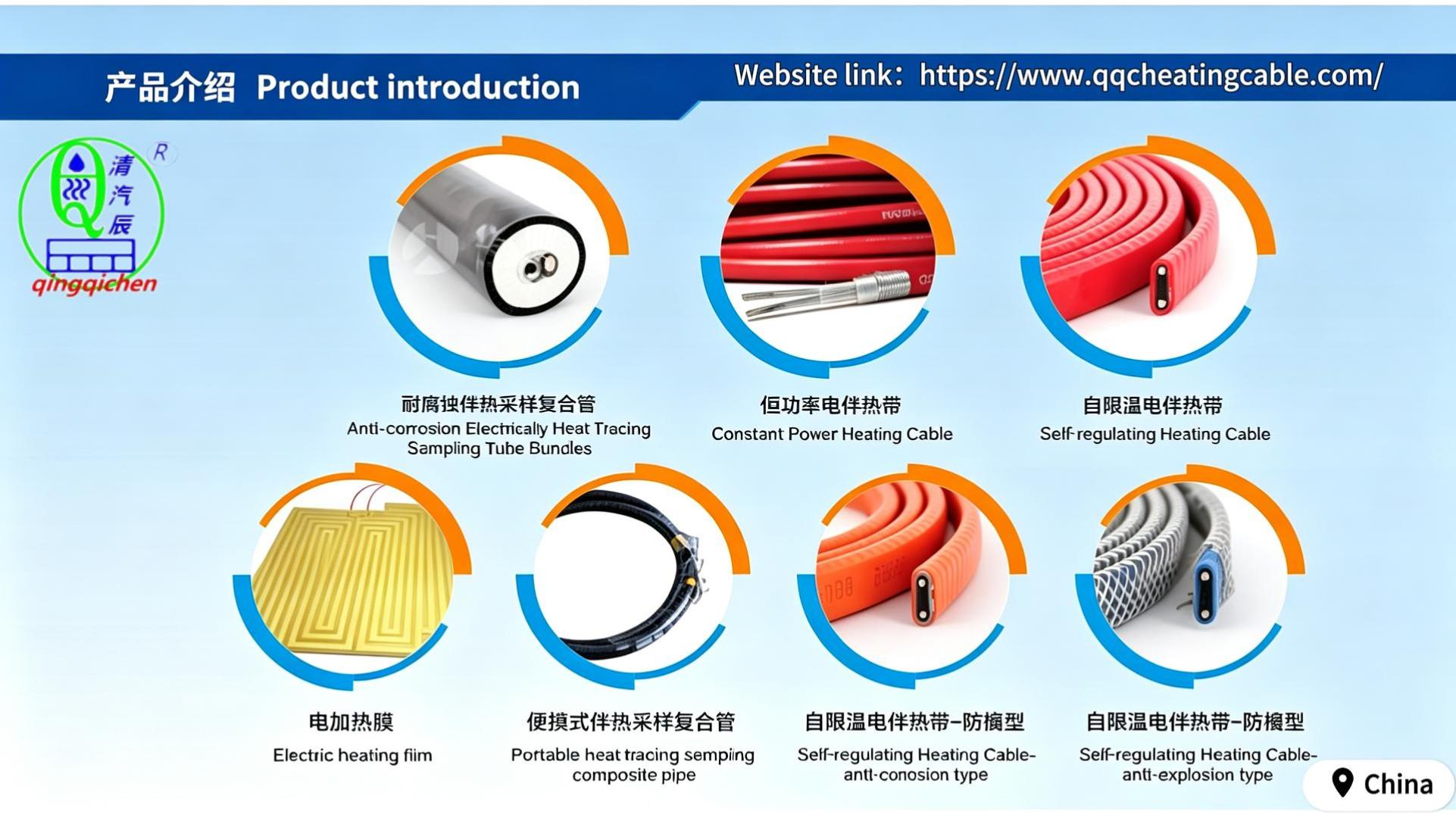
The home heating portfolio includes multiple low-carbon technical routes: graphene heating membranes deliver fast uniform far-infrared radiant heat with low power loss; TXLP single and twin-conductor heating cables are embedded under concrete floors for stable whole-house heating; cost-effective 24V/36V low-voltage heating pads eliminate electric shock risks for wet-area bathroom and children’s room installation. Supplementary self-limiting heat tracing cables serve outdoor pipeline and gutter anti-freezing auxiliary heating for residential buildings in cold climate zones, forming a complete indoor-outdoor integrated heating ecosystem.
All home heating products prioritize energy optimization: self-temperature-adjusting heating elements avoid constant full-power operation, cutting annual household heating power usage compared to fixed-resistance electric radiators. Modular mat and film structures support simple DIY installation for residential renovation projects without complex professional pipeline laying, while flame-retardant insulation materials meet international residential electrical safety standards such as CE and UL.
Green building certification bodies across Europe, North America and Australia recognize low-wattage electric radiant heating as a qualifying energy-saving technology for LEED and BREEAM building rating systems. Market data shows demand for low-voltage safe home heating solutions rises fastest in temperate and cold northern regions, as homeowners and commercial property developers seek cost-effective alternatives to gas heating systems amid rising fossil fuel prices and carbon taxation policies. EPI’s standardized dimension and voltage specifications enable batch cross-border shipment and unified installation training for global distribution partners.