English
English
Español
Português
русский
français
日本語
Deutsch
Tiếng Việt
Italiano
Nederlands
ไทย
Polski
한국어
Svenska
magyar
Malay
বাংলা
Dansk
Suomi
हिन्दी
Pilipino
Türk
Gaeilge
عربى
Indonesia
norsk
اردو
čeština
Ελληνικά
Українська
Javanese
فارسی
தமிழ்
తెలుగు
नेपाली
Burmese
български
ລາວ
Latine
Қазақ
Euskal
Azərbaycan
slovenský
Македонски
Lietuvos
Eesti Keel
Română
Slovenski
मराठी
Српски
Esperanto
Afrikaans
Català
עִברִית
Cymraeg
Galego
Latvietis
icelandic
יידיש
Беларус
Hrvatski
Kreyòl ayisyen
Shqiptar
Malti
lugha ya Kiswahili
አማርኛ
Bosanski
Frysk
ជនជាតិខ្មែរ
ქართული
ગુજરાતી
Hausa
Кыргыз тили
ಕನ್ನಡ
Corsa
Kurdî
മലയാളം
Maori
Монгол хэл
Hmong
IsiXhosa
Zulu
Punjabi
پښتو
Chichewa
Samoa
Sesotho
සිංහල
Gàidhlig
Cebuano
Somali
Точик
O'zbek
Hawaiian
سنڌي
Shinra
հայերեն
Igbo
Sundanese
Lëtzebuergesch
Malagasy
Yoruba
Javanese
Banbala
Pokjoper
Divih
Philippine
Gwadani
Elokano

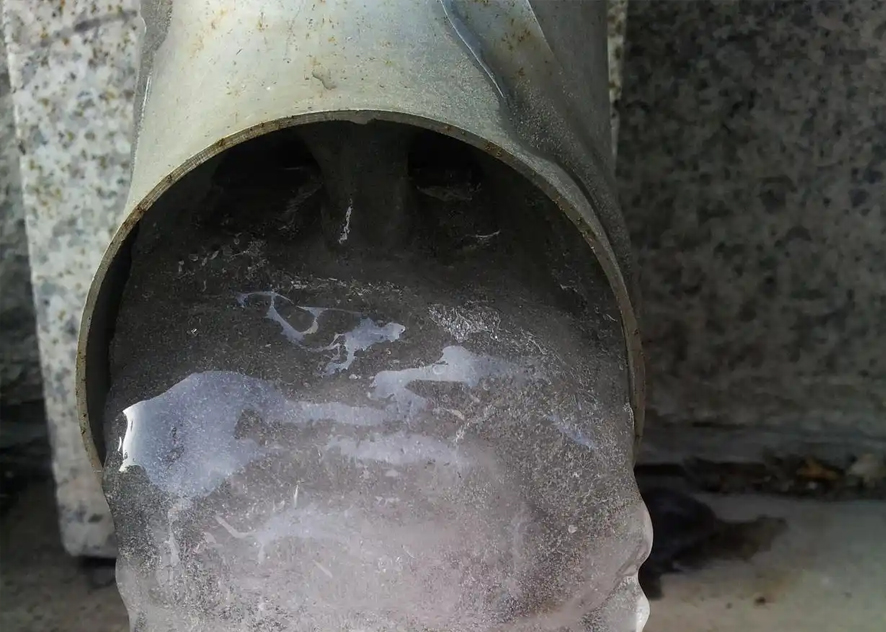
Electric heat tracing is the core equipment for winter antifreeze and insulation of pipelines and equipment, widely used in municipal, fire, chemical, civil pipeline networks and other scenarios. Relying on electric energy to supplement heat and offset natural heat dissipation losses in pipelines, it can sustainably maintain medium temperature and prevent freezing and blockage. Understanding its anti freezing principle and standardizing construction is the foundation for ensuring anti freezing effect and avoiding potential faults.

The core principle of electric heating belt antifreeze is thermal compensation balance, which is different from traditional active heating equipment. It mainly works by supplementing the heat dissipation of pipelines and maintaining temperature balance. After the equipment is powered on, the heating layer of the cable evenly releases low calorific value heat energy, closely adheres to the outer wall of the pipeline for continuous heating, offsets heat loss in low-temperature environments, and keeps the temperature of the pipeline medium above the critical temperature for antifreeze, avoiding problems such as icing, freezing blockage, and pipe expansion. The self limiting heat tracing belt has temperature adaptive characteristics, with higher heating power at lower temperatures and automatic power reduction at higher temperatures, which is energy-saving and less prone to overheating; The constant power and MI armored heat tracing belt have stable output power, which can meet strict industrial conditions such as high-precision constant temperature and high temperature explosion-proof, and adapt to the constant temperature and anti freezing needs of different scenarios. The entire system, combined with temperature control equipment, can automatically start and stop, achieving all-weather intelligent insulation and antifreeze.
Standardized construction is the key to ensuring the stable operation of the electric heating system, and precise selection and matching should be made according to the working conditions before construction. Indoor conventional water supply and drainage, as well as fire protection pipelines, use ordinary self limiting temperature models. For outdoor high-altitude and strong ultraviolet environments, weather resistant and UV resistant low-temperature models are selected. For chemical corrosion scenarios, anti-corrosion sheaths are used. In explosion-proof high-risk areas, a complete set of explosion-proof products and accessories must be used to prevent problems such as insufficient heating and safety hazards caused by model mismatch and mixing. At the same time, check the pipeline parameters and strictly plan the circuit according to the maximum laying length to avoid end heating failure caused by long line pressure drop.
The laying construction must follow standardized operating procedures, with the heat tracing tape flat and adhered to the outer wall of the pipeline, uniformly fixed with pressure-sensitive tape and special straps, and the wiring straight and evenly spaced. Twisting, knotting, cross stacking, and excessive stretching are prohibited. For weak points such as valves, elbows, tees, flanges, etc. that dissipate heat quickly and are prone to freezing and blockage, it is necessary to appropriately supplement cable encryption and installation to eliminate anti freezing dead corners. Throughout the construction process, avoid scratching and squeezing cable sheaths with sharp and hard objects, eliminate hidden damage caused by violent construction, and prevent faults such as electrical leakage and insulation degradation from the source.
Insulation protection and electrical sealing construction cannot be ignored. After the cable laying is completed, it needs to be fully covered with waterproof insulation layer, with tight joints to reduce heat loss. Outdoor and buried pipelines need to be equipped with external protective structures to resist sun, rain, and external pressure. All junction boxes, terminal heads, and intermediate joints must be sealed and waterproofed. In damp and waterlogged environments, reinforcement and sealing should be emphasized. It is strictly prohibited to expose joints and soak them in water. The electrical part is matched with corresponding specifications for air switches and leakage protection, ensuring that the grounding is intact, the explosion-proof condition accessories are of uniform grade, and meet compliant operating standards.
At the end of construction, inspection and acceptance must be completed. Before covering soil and sealing insulation, a shaking table should be used to check the insulation resistance and on/off status of the line. Only after the parameters are qualified can the project be completed. Synchronize the retention of construction data, clarify the pipeline route, and provide convenience for later operation and maintenance. Daily scheduled inspections of equipment operation status and timely maintenance during seasonal changes can effectively extend the service life of the equipment.
Electric heat tracing relies on the principle of thermal compensation to achieve constant temperature and antifreeze, and the stability effect relies on scientific selection and standardized construction. Strictly controlling the key points of the entire process of selection, laying, protection, electrical installation, and acceptance can effectively prevent pipeline freezing and blockage, line failures, and ensure the safe and stable operation of various pipeline networks in winter.