English
English
Español
Português
русский
français
日本語
Deutsch
Tiếng Việt
Italiano
Nederlands
ไทย
Polski
한국어
Svenska
magyar
Malay
বাংলা
Dansk
Suomi
हिन्दी
Pilipino
Türk
Gaeilge
عربى
Indonesia
norsk
اردو
čeština
Ελληνικά
Українська
Javanese
فارسی
தமிழ்
తెలుగు
नेपाली
Burmese
български
ລາວ
Latine
Қазақ
Euskal
Azərbaycan
slovenský
Македонски
Lietuvos
Eesti Keel
Română
Slovenski
मराठी
Српски
Esperanto
Afrikaans
Català
עִברִית
Cymraeg
Galego
Latvietis
icelandic
יידיש
Беларус
Hrvatski
Kreyòl ayisyen
Shqiptar
Malti
lugha ya Kiswahili
አማርኛ
Bosanski
Frysk
ជនជាតិខ្មែរ
ქართული
ગુજરાતી
Hausa
Кыргыз тили
ಕನ್ನಡ
Corsa
Kurdî
മലയാളം
Maori
Монгол хэл
Hmong
IsiXhosa
Zulu
Punjabi
پښتو
Chichewa
Samoa
Sesotho
සිංහල
Gàidhlig
Cebuano
Somali
Точик
O'zbek
Hawaiian
سنڌي
Shinra
հայերեն
Igbo
Sundanese
Lëtzebuergesch
Malagasy
Yoruba
Javanese
Banbala
Pokjoper
Divih
Philippine
Gwadani
Elokano

Terminal connection failure constitutes one major root cause of premature breakdown for series constant‑power heating cables. The heating core conductor directly bears full‑circuit operating current, so improper crimping and insulation sealing at power‑feed joints will trigger over‑heating, insulation degradation and circuit outage, especially under cyclic high‑low temperature shifts and corrosive atmospheric conditions in chemical and energy sites.
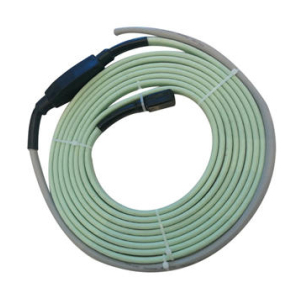
HGC‑1 / HGC‑3 series implement standardized cold‑end connection workflows to address such pain points. Technicians strip inner‑outer sheath and insulation layers to expose resistive heating core, crimp core conductors with cold‑end lead‑in wires via copper connectors, retain metallic braided shielding layer for ground connection, apply wrapping tape insulation and stack multi‑layer heat‑shrink sleeves thermally shrunk for tight encapsulation. This process separates high‑heat‑generation heating segment from power‑input lead section, reducing thermal load on connection joints.
This termination practice is critical for installations in explosive classified areas. Ground‑connected metal braid enhances anti‑interference and fault‑leakage protection performance. Global field engineering teams highlight that strict execution of cold‑end termination specifications effectively extends whole‑system service cycles, lowering unplanned maintenance frequency for long‑distance pipeline heat‑tracing loops. For project owners operating remote pipeline assets, reliable joint technology directly reduces lifecycle operational expenditure.