English
English
Español
Português
русский
français
日本語
Deutsch
Tiếng Việt
Italiano
Nederlands
ไทย
Polski
한국어
Svenska
magyar
Malay
বাংলা
Dansk
Suomi
हिन्दी
Pilipino
Türk
Gaeilge
عربى
Indonesia
norsk
اردو
čeština
Ελληνικά
Українська
Javanese
فارسی
தமிழ்
తెలుగు
नेपाली
Burmese
български
ລາວ
Latine
Қазақ
Euskal
Azərbaycan
slovenský
Македонски
Lietuvos
Eesti Keel
Română
Slovenski
मराठी
Српски
Esperanto
Afrikaans
Català
עִברִית
Cymraeg
Galego
Latvietis
icelandic
יידיש
Беларус
Hrvatski
Kreyòl ayisyen
Shqiptar
Malti
lugha ya Kiswahili
አማርኛ
Bosanski
Frysk
ជនជាតិខ្មែរ
ქართული
ગુજરાતી
Hausa
Кыргыз тили
ಕನ್ನಡ
Corsa
Kurdî
മലയാളം
Maori
Монгол хэл
Hmong
IsiXhosa
Zulu
Punjabi
پښتو
Chichewa
Samoa
Sesotho
සිංහල
Gàidhlig
Cebuano
Somali
Точик
O'zbek
Hawaiian
سنڌي
Shinra
հայերեն
Igbo
Sundanese
Lëtzebuergesch
Malagasy
Yoruba
Javanese
Banbala
Pokjoper
Divih
Philippine
Gwadani
Elokano

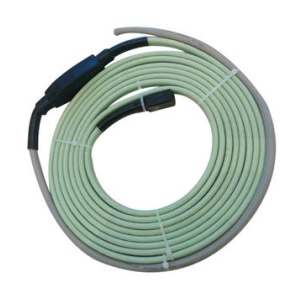
Global process industries keep raising requirements for trace‑heating product reliability, anti‑corrosion performance and hazardous‑area compatibility, especially for extended‑run transmission pipelines where conventional parallel‑type heating tapes cannot satisfy circuit‑length requirements. HGC‑series series‑connected constant‑power heating cables are developed to solve these real‑world engineering pain points.
Its modular physical structure separates heating core, primary insulation, inner jacket, metallic braid shield and outer insulation jacket. The customizable fluoroplastic auxiliary sleeve protects braided shielding components from chemical erosion and underground‑burial abrasion, greatly widening applicable working conditions. When electrical current flows through resistive heating cores, uniform Joule heat is generated across the entire cable length to realize stable per‑meter power delivery without local heat deviation over long circuit distances.
The product portfolio supports diversified voltage classes to match global industrial power supply standards. Operational temperature windows accommodate low‑temperature site installation down to ‑50℃, with high‑temperature resistance up to 205℃, while maintaining process medium temperature at maximum 100℃. Compliance permits deployment within IEC‑classified Zone 1 and Zone 2 explosive hazardous locations, covering oil‑gas transportation, chemical processing and general plant piping thermal‑preservation projects.
Field‑proven cold‑end termination techniques are critical for on‑site deployment. Technicians complete conductor crimping, tape wrapping, grounding retention of metal braids and multi‑layer heat‑shrink sleeve encapsulation to optimize connection‑point durability. Such standardized connection workflows lower on‑site fault risks and improve long‑term operational stability for large‑scale long‑distance trace‑heating systems.