English
English
Español
Português
русский
français
日本語
Deutsch
Tiếng Việt
Italiano
Nederlands
ไทย
Polski
한국어
Svenska
magyar
Malay
বাংলা
Dansk
Suomi
हिन्दी
Pilipino
Türk
Gaeilge
عربى
Indonesia
norsk
اردو
čeština
Ελληνικά
Українська
Javanese
فارسی
தமிழ்
తెలుగు
नेपाली
Burmese
български
ລາວ
Latine
Қазақ
Euskal
Azərbaycan
slovenský
Македонски
Lietuvos
Eesti Keel
Română
Slovenski
मराठी
Српски
Esperanto
Afrikaans
Català
עִברִית
Cymraeg
Galego
Latvietis
icelandic
יידיש
Беларус
Hrvatski
Kreyòl ayisyen
Shqiptar
Malti
lugha ya Kiswahili
አማርኛ
Bosanski
Frysk
ជនជាតិខ្មែរ
ქართული
ગુજરાતી
Hausa
Кыргыз тили
ಕನ್ನಡ
Corsa
Kurdî
മലയാളം
Maori
Монгол хэл
Hmong
IsiXhosa
Zulu
Punjabi
پښتو
Chichewa
Samoa
Sesotho
සිංහල
Gàidhlig
Cebuano
Somali
Точик
O'zbek
Hawaiian
سنڌي
Shinra
հայերեն
Igbo
Sundanese
Lëtzebuergesch
Malagasy
Yoruba
Javanese
Banbala
Pokjoper
Divih
Philippine
Gwadani
Elokano

Traditional steam tracing and short‑run parallel heating‑cable solutions face prominent limitations when deployed for kilometer‑level long‑distance industrial pipelines. Steam‑tracing systems require complex steam‑generation and condensate‑recovery supporting facilities, bringing high operation‑and‑maintenance costs. Parallel constant‑power or self‑regulating heating cables are restricted by maximum single‑loop length, demanding dense power‑supply junction boxes along pipeline routes, raising overall project investment.
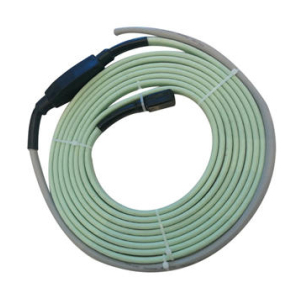
Series‑constant‑power heating‑cable products such as HGC‑1 and HGC‑3 break through such application constraints. Single‑power‑source‑fed circuits can extend up to 3600 meters, delivering uniform heat output along full‑loop routes without power‑drop distortion. This characteristic greatly cuts the quantity of power‑distribution cabinets and field‑junction‑box requirements for long‑route tracing systems, simplifying overall electrical‑system design.
Nevertheless, series heating‑cable technology brings particular engineering constraints. Products must be pre‑manufactured to exact circuit length; random field‑cutting is prohibited. Installation quality of cold‑end power‑connection joints directly determines whole‑loop reliability. These factors push global engineering‑procurement organizations to strengthen collaboration with professional manufacturers, acquiring customized‑length products together with standardized installation guidance.
Market observers note that global energy‑transition‑related projects including long‑distance hydrogen‑transport pipelines, remote‑area chemical‑material‑delivery networks and northern‑region oil‑gas‑transmission infrastructure keep expanding. These projects create sustained market demand for qualified series constant‑power heat‑tracing cables with hazardous‑area certification, wide‑temperature‑range adaptability and multi‑layer anti‑corrosion structures. Manufacturers with mature product matrix, complete technical documentation and engineering‑service capacity hold advantageous positions in international bidding activities.