English
English
Español
Português
русский
français
日本語
Deutsch
Tiếng Việt
Italiano
Nederlands
ไทย
Polski
한국어
Svenska
magyar
Malay
বাংলা
Dansk
Suomi
हिन्दी
Pilipino
Türk
Gaeilge
عربى
Indonesia
norsk
اردو
čeština
Ελληνικά
Українська
Javanese
فارسی
தமிழ்
తెలుగు
नेपाली
Burmese
български
ລາວ
Latine
Қазақ
Euskal
Azərbaycan
slovenský
Македонски
Lietuvos
Eesti Keel
Română
Slovenski
मराठी
Српски
Esperanto
Afrikaans
Català
עִברִית
Cymraeg
Galego
Latvietis
icelandic
יידיש
Беларус
Hrvatski
Kreyòl ayisyen
Shqiptar
Malti
lugha ya Kiswahili
አማርኛ
Bosanski
Frysk
ជនជាតិខ្មែរ
ქართული
ગુજરાતી
Hausa
Кыргыз тили
ಕನ್ನಡ
Corsa
Kurdî
മലയാളം
Maori
Монгол хэл
Hmong
IsiXhosa
Zulu
Punjabi
پښتو
Chichewa
Samoa
Sesotho
සිංහල
Gàidhlig
Cebuano
Somali
Точик
O'zbek
Hawaiian
سنڌي
Shinra
հայերեն
Igbo
Sundanese
Lëtzebuergesch
Malagasy
Yoruba
Javanese
Banbala
Pokjoper
Divih
Philippine
Gwadani
Elokano

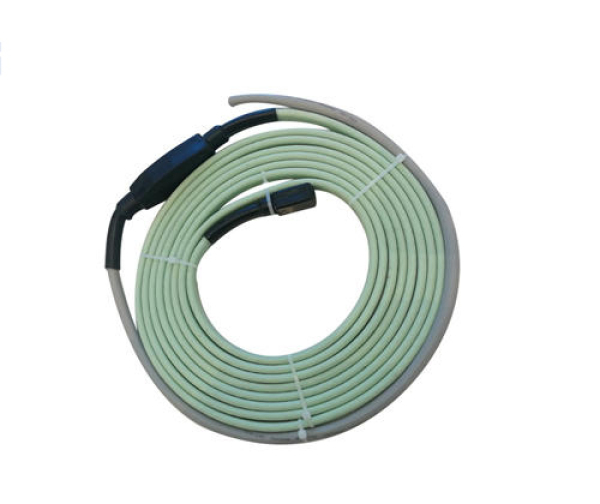
Electric heat‑tracing technology originates largely from demanding petrochemical and refining projects, where products must survive chemical corrosion, wide temperature swing and explosion‑risk atmosphere. Proven‑performance heating cable designs are now transferred into civil and public‑work anti‑freeze markets. 36V medium‑temperature heating cables are designed for garage floor snow melting; low‑temperature heating tapes serve outdoor driveway and roadway de‑icing projects; heating cables are deployed for fire‑protection pipeline anti‑freeze inside tunnel infrastructure.
These civil‑oriented products inherit core‑level material and manufacturing standards from industrial petrochemical‑grade counterparts, ensuring long‑term stability under outdoor freeze‑thaw cycles. At the same time, product engineering makes targeted adjustment on working voltage, power density and outer‑jacket formula to fit public‑infrastructure cost‑control requirements and local electrical codes.
Such cross‑domain product layout brings dual‑side advantages for manufacturers. Mature production capacity accumulated for large‑volume petrochemical orders supports cost‑effective delivery for civil‑infrastructure projects; real‑world operation feedback from harsh petrochemical sites guides continuous material improvement for de‑icing and anti‑freeze cables. Even so, application‑specific design remains essential: tunnel fire‑pipe anti‑freeze cables prioritize continuous low‑power heat compensation, while road‑snow‑melting cables deliver higher peak power output for fast ice‑and‑snow melting.
International infrastructure investment in cold‑climate regions fuels rising demand for reliable de‑icing and freeze‑protection solutions. Suppliers owning both petrochemical‑industrial R&D experience and diversified‑product portfolio gain advantages when bidding for mixed‑scope projects covering process plant plus auxiliary public facilities, meeting the varied thermal‑control needs of modern integrated industrial complexes and municipal infrastructure systems globally.