English
English
Español
Português
русский
français
日本語
Deutsch
Tiếng Việt
Italiano
Nederlands
ไทย
Polski
한국어
Svenska
magyar
Malay
বাংলা
Dansk
Suomi
हिन्दी
Pilipino
Türk
Gaeilge
عربى
Indonesia
norsk
اردو
čeština
Ελληνικά
Українська
Javanese
فارسی
தமிழ்
తెలుగు
नेपाली
Burmese
български
ລາວ
Latine
Қазақ
Euskal
Azərbaycan
slovenský
Македонски
Lietuvos
Eesti Keel
Română
Slovenski
मराठी
Српски
Esperanto
Afrikaans
Català
עִברִית
Cymraeg
Galego
Latvietis
icelandic
יידיש
Беларус
Hrvatski
Kreyòl ayisyen
Shqiptar
Malti
lugha ya Kiswahili
አማርኛ
Bosanski
Frysk
ជនជាតិខ្មែរ
ქართული
ગુજરાતી
Hausa
Кыргыз тили
ಕನ್ನಡ
Corsa
Kurdî
മലയാളം
Maori
Монгол хэл
Hmong
IsiXhosa
Zulu
Punjabi
پښتو
Chichewa
Samoa
Sesotho
සිංහල
Gàidhlig
Cebuano
Somali
Точик
O'zbek
Hawaiian
سنڌي
Shinra
հայերեն
Igbo
Sundanese
Lëtzebuergesch
Malagasy
Yoruba
Javanese
Banbala
Pokjoper
Divih
Philippine
Gwadani
Elokano

Numerous large‑scale petrochemical, refining and chemical projects demand fixed‑density stable heat supply for long‑haul transfer pipelines and high‑temperature process equipment, where self‑regulating cables cannot satisfy temperature targets. Constant‑wattage heating‑cable product lines including parallel constant‑power, series constant‑power and compressor‑use silicone‑rubber constant‑power heating tapes provide consistent watt‑per‑meter output under matched temperature‑controller coordination.
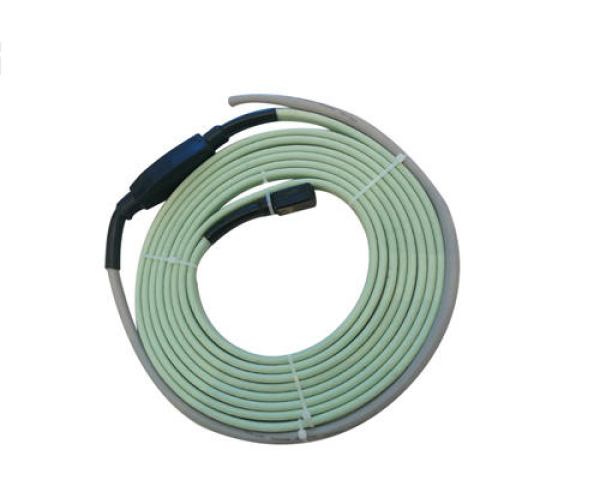
Parallel constant‑power heating cables support moderate‑length process tracing for compressor units, crude‑oil transfer pipelines and storage tank auxiliary pipelines. Series constant‑power variants excel at ultra‑long‑distance pipeline projects with uniform heat distribution over extended circuit length. Silicone‑jacketed constant‑wattage heating tapes feature outstanding high‑temperature and ageing‑resistant performance for equipment surface tracing under frequent thermal cycling.
MI mineral‑insulated heating cables adopt compact metal‑sheath mineral‑insulation construction. They withstand extremely high sustained operating temperature, mechanical impact and chemical corrosion, fitting high‑risk hazardous‑zone applications such as ethylene plant reaction pipelines and high‑temperature flue‑gas related piping. All constant‑power and MI heating cables require supporting explosion‑proof temperature controllers and certified junction assemblies to meet global hazardous‑location electrical standards. Combined deployment of self‑regulating, constant‑wattage and MI cables allows EPC contractors to select proper heat‑trace hardware according to exact process temperature, pipeline length and site explosion‑proof classification.