English
English
Español
Português
русский
français
日本語
Deutsch
Tiếng Việt
Italiano
Nederlands
ไทย
Polski
한국어
Svenska
magyar
Malay
বাংলা
Dansk
Suomi
हिन्दी
Pilipino
Türk
Gaeilge
عربى
Indonesia
norsk
اردو
čeština
Ελληνικά
Українська
Javanese
فارسی
தமிழ்
తెలుగు
नेपाली
Burmese
български
ລາວ
Latine
Қазақ
Euskal
Azərbaycan
slovenský
Македонски
Lietuvos
Eesti Keel
Română
Slovenski
मराठी
Српски
Esperanto
Afrikaans
Català
עִברִית
Cymraeg
Galego
Latvietis
icelandic
יידיש
Беларус
Hrvatski
Kreyòl ayisyen
Shqiptar
Malti
lugha ya Kiswahili
አማርኛ
Bosanski
Frysk
ជនជាតិខ្មែរ
ქართული
ગુજરાતી
Hausa
Кыргыз тили
ಕನ್ನಡ
Corsa
Kurdî
മലയാളം
Maori
Монгол хэл
Hmong
IsiXhosa
Zulu
Punjabi
پښتو
Chichewa
Samoa
Sesotho
සිංහල
Gàidhlig
Cebuano
Somali
Точик
O'zbek
Hawaiian
سنڌي
Shinra
հայերեն
Igbo
Sundanese
Lëtzebuergesch
Malagasy
Yoruba
Javanese
Banbala
Pokjoper
Divih
Philippine
Gwadani
Elokano

Numerous heavy‑industry sites feature extended process‑media transfer pipelines and stationary mechanical equipment that demand continuous, stable heat supply regardless of ambient‑temperature fluctuation. In such operating scenarios, self‑regulating heating cables with variable‑wattage characteristics struggle to maintain sufficient heat output, creating application gaps for high‑performance constant‑power heat‑tracing products.
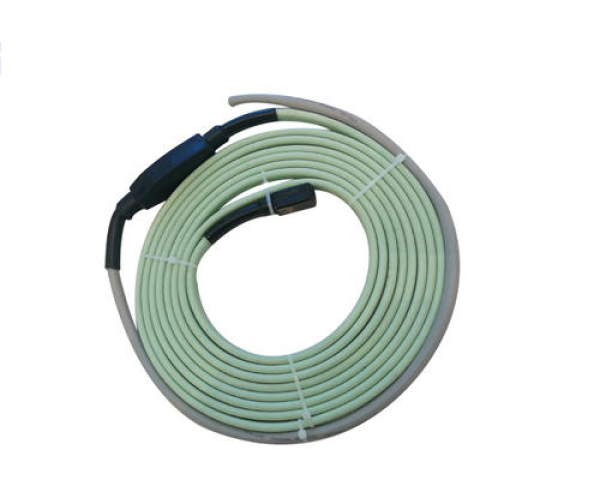
EPI constant‑power heating‑cable lineup covers multiple technical branches. Parallel constant‑wattage cables suit medium‑length pipeline thermal compensation; series‑connected constant‑power cables fit ultra‑long transmission routes; silicone‑rubber heating belts provide flexible wrapping heating for compressor casings and irregular‑shaped equipment surfaces. Reinforced anti‑corrosion outer‑sheath variants resist acid‑alkali erosion inside corrosive chemical‑park atmospheres.
Every product undergoes strict compliance assessment and matches complete supporting accessories such as explosion‑proof junction boxes, intermediate connectors and temperature‑control cabinets. These constant‑power heating solutions are widely adopted by global engineering contractors for refinery process pipelines, fertilizer‑plant delivery loops and metallurgical‑plant equipment constant‑temperature protection.
Market observations indicate that constant‑power heat‑tracing hardware remains irreplaceable for heavy‑duty long‑distance thermal‑preservation work. Future product iteration will focus on improving sheath chemical‑resistance performance and simplifying on‑site installation workflows for international hazardous‑zone projects.