English
English
Español
Português
русский
français
日本語
Deutsch
Tiếng Việt
Italiano
Nederlands
ไทย
Polski
한국어
Svenska
magyar
Malay
বাংলা
Dansk
Suomi
हिन्दी
Pilipino
Türk
Gaeilge
عربى
Indonesia
norsk
اردو
čeština
Ελληνικά
Українська
Javanese
فارسی
தமிழ்
తెలుగు
नेपाली
Burmese
български
ລາວ
Latine
Қазақ
Euskal
Azərbaycan
slovenský
Македонски
Lietuvos
Eesti Keel
Română
Slovenski
मराठी
Српски
Esperanto
Afrikaans
Català
עִברִית
Cymraeg
Galego
Latvietis
icelandic
יידיש
Беларус
Hrvatski
Kreyòl ayisyen
Shqiptar
Malti
lugha ya Kiswahili
አማርኛ
Bosanski
Frysk
ជនជាតិខ្មែរ
ქართული
ગુજરાતી
Hausa
Кыргыз тили
ಕನ್ನಡ
Corsa
Kurdî
മലയാളം
Maori
Монгол хэл
Hmong
IsiXhosa
Zulu
Punjabi
پښتو
Chichewa
Samoa
Sesotho
සිංහල
Gàidhlig
Cebuano
Somali
Точик
O'zbek
Hawaiian
سنڌي
Shinra
հայերեն
Igbo
Sundanese
Lëtzebuergesch
Malagasy
Yoruba
Javanese
Banbala
Pokjoper
Divih
Philippine
Gwadani
Elokano

The production conditions of heavy industry are complex, often involving high temperatures, high pressures, strong corrosion, and extremely cold environments. Various pipelines and equipment are prone to issues such as medium condensation blockage and component frost cracking due to low temperatures. Electric heat tracing bands, with their advantages of weather resistance, explosion-proofing, and precise temperature control, are suitable for the harsh working conditions of heavy industry and have become key heat tracing equipment to ensure production continuity.

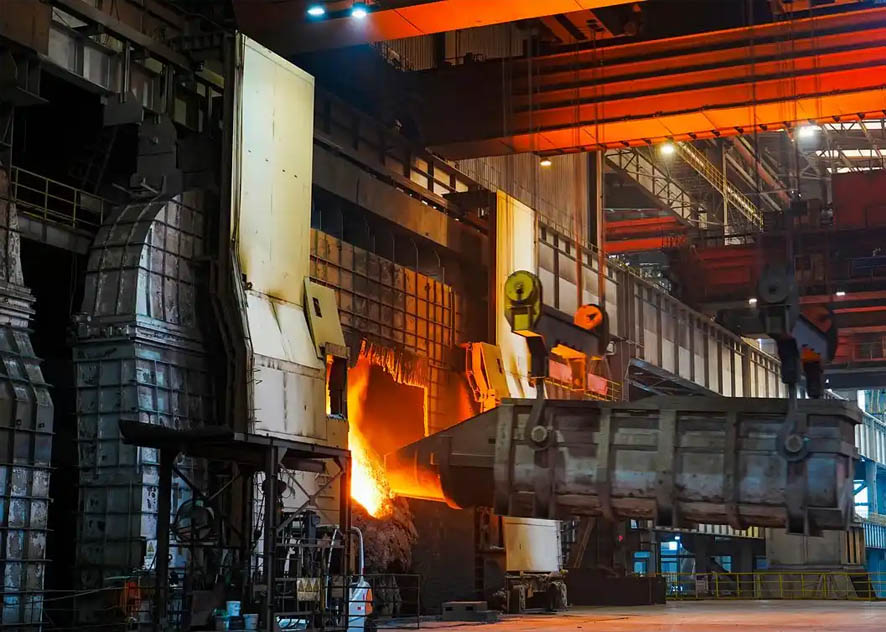
The core requirements of heavy industry for heat tracing equipment are "stability, safety, and durability". Electric heat tracing bands, with their diverse types and excellent performance, are widely used in multiple core production processes, solving various heat tracing challenges. In the steel and metallurgical industry, electric heat tracing bands are mainly used for auxiliary pipeline heat tracing in blast furnaces and converters, such as cooling water pipelines and hydraulic oil pipelines. In winter, they can prevent pipeline freezing and cracking, ensuring normal equipment cooling and power supply. They are also used for gas pipeline heat tracing in coking plants to prevent gas condensation and blockage, ensuring safe gas transmission.
As a core field of heavy industry, petrochemicals see a wider application of electric heat tracing bands. Equipment such as long-distance oil and gas pipelines, large storage tanks, and chemical reactors rely on heat tracing to maintain medium fluidity and process temperature. Constant power electric heat tracing bands, with their advantages of stable power and long heat tracing length, are suitable for heat tracing of long-distance pipelines, accurately maintaining the temperature of crude oil and natural gas to avoid solidification and pipeline blockage. MI armored electric heat tracing bands are used for heat tracing in the interlayer of high-temperature, strongly corrosive reactors, resisting the erosion of strong acids and alkalis, ensuring stable reaction temperature, and guaranteeing production efficiency and product quality.
In the electric power industry, electric heat tracing bands are primarily utilized for heat tracing of outdoor power equipment and pipelines. Steam pipelines and condensate water pipelines in thermal power plants are prone to freezing and blockage due to low temperatures in winter. Self-regulating electric heat tracing bands can automatically adjust their power output, achieving efficient anti-freezing measures. For outdoor cable trenches and instrument pipelines, waterproof and explosion-proof electric heat tracing bands are employed to prevent equipment malfunctions caused by rain, snow, and low temperatures, thereby ensuring stable power supply in the electric power system.
In the mining industry, open-air and underground pipelines and equipment face harsh environments such as extreme cold, humidity, and dust. Electric heat tracing bands can effectively solve the problem of frost protection. The water supply and drainage pipelines and hydraulic pipelines in mines use low-temperature resistant and wear-resistant electric heat tracing bands to avoid frost cracks in winter, which can affect mining operations. The chemical pipelines in mineral processing plants maintain the fluidity of chemicals through precise heat tracing, ensuring the normal operation of the mineral processing technology.
The operating conditions of heavy industry are harsh, demanding high standards for the selection and installation of electric heat tracing bands. It is necessary to choose suitable products according to different scenarios: MI armored type for high-temperature conditions, fluoroplastic sheathed type for corrosive conditions, and explosion-proof type for flammable and explosive scenarios. During installation, standardized laying and proper sealing and protection are required to ensure that the heat tracing band fits tightly with equipment and pipelines. At the same time, a smart temperature control system should be equipped to achieve precise temperature control and remote monitoring.
Electric heat tracing bands are suitable for various harsh working conditions in heavy industry, effectively solving problems such as pipeline freeze-ups and equipment failures, and ensuring production continuity and safety. Their durable, efficient, and safe characteristics make them the preferred solution for heat tracing in heavy industry, providing strong support for high-quality and stable production in heavy industry.